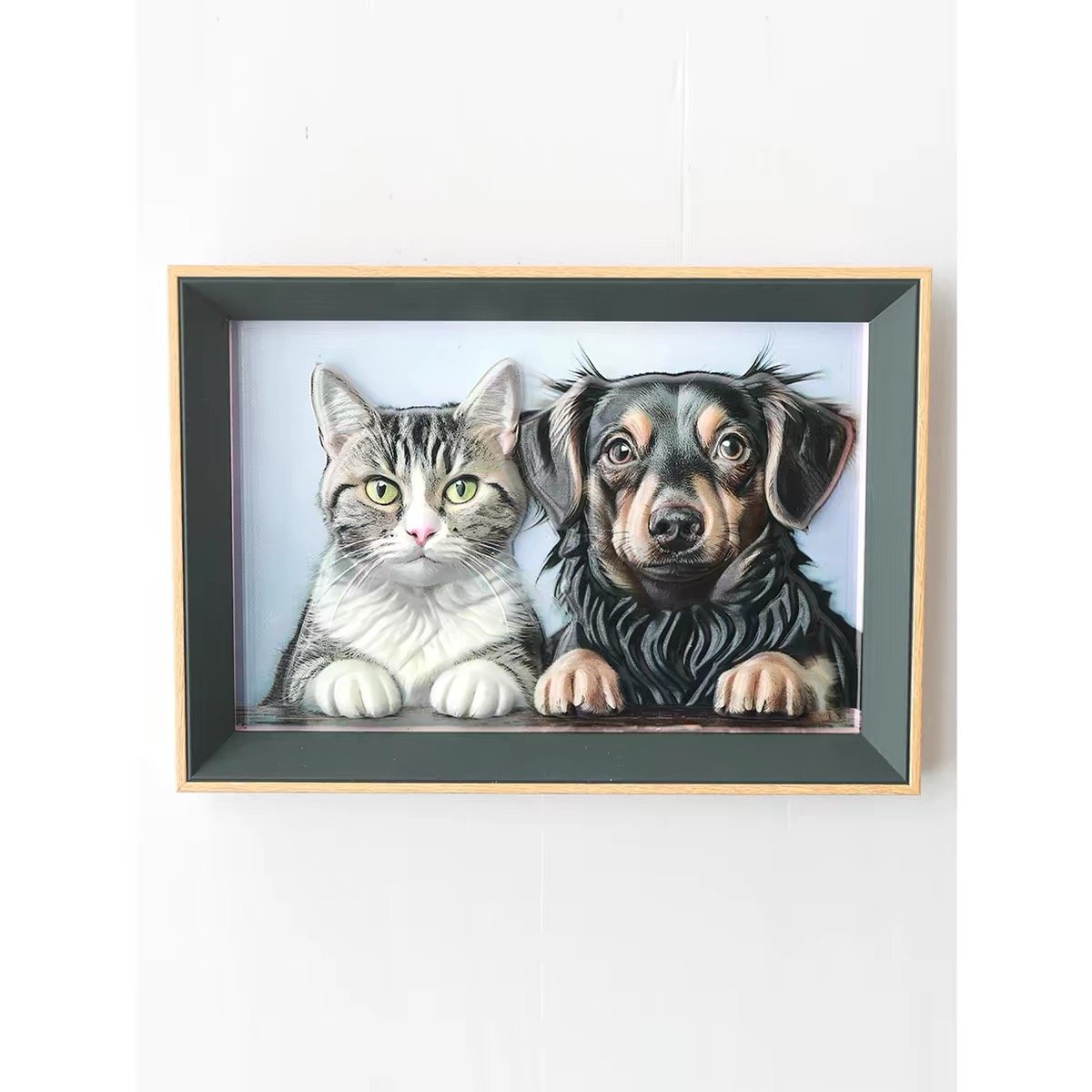
A custom pet figurine is one of the most tangible ways to keep a companion close. Unlike a photo that stays flat on a screen, a figurine sits on a shelf, a desk, or a mantel — a small, three-dimensional presence you can pick up. But how does a flat photograph actually become a hand-painted keepsake? In this guide we walk through what custom pet figurines are, the materials and methods behind them, how to choose a great source photo, the styles and sizes available, and how to order one from PODPAWS with confidence.
What Exactly Is a Custom Pet Figurine?
At its core, a custom pet figurine is a small sculpted model of your animal, shaped and painted to resemble the real pet from a photograph you provide. The goal is recognition: anyone who knew the pet should look at the figurine and say “that’s Max.” Some figurines are cartoon-soft and stylized; others aim for true-to-life detail down to the markings. The common thread is that the piece is made for your pet, not pulled from a generic catalog of “dog” or “cat” shapes. That personal origin is what makes the object feel like a keepsake rather than a knick-knack.
Why People Choose Figurines Over Prints
A printed portrait is beautiful, but it is two-dimensional and visually competes with every other framed photo in a home. A figurine is different. It has presence and weight; it can be rotated, touched, and placed among books or plants. For memorial purposes especially, many people find a small sculpture easier to live with day to day than a large framed image of a pet they lost. For gifts, a figurine reads as “they made something,” which feels more generous than a print. And because it is durable, it often becomes a multi-year object — moved from a shelf to a bedside table to an office — rather than something that gets rotated out of display.
The Materials Behind a Quality Figurine
Material choice drives both look and longevity. The most common approaches are:
- Polymer clay — Lightweight, paintable, and forgiving. Great for stylized, hand-sculpted pieces with crisp color.
- Resin — Cast from a sculpted master, allowing consistent detail and a sturdy, slightly glossy finish that resists chipping.
- Ceramic / porcelain — Heavier and more fragile, but with a refined, traditional feel many collectors love.
- 3D-printed composite — Built layer by layer from a digital model, then hand-finished and painted for accuracy.
At PODPAWS we use a resin-and-hand-paint process: a detailed model is created from your photo, cast for consistency, then painted by hand so each figurine carries the pet’s actual coloring and expression. The result balances repeatable quality with a human touch no machine alone can match.
How a Photo Becomes a Figurine: The Process
The journey has several stages, and understanding them helps you provide what the artist needs:
1. Photo Selection
Everything starts with your image. A clear, well-lit, front-facing or three-quarter shot with visible markings is ideal. The artist studies ear shape, coat pattern, eye color, and posture. If you have a “personality” photo — tongue out, head tilt — mention it, because capturing that spark is often the difference between “accurate” and “unmistakably them.”
2. Sculpting or Modeling
For hand-sculpted pieces, the artist builds the form in clay or a similar medium, refining proportions until the silhouette reads as your pet. For digital workflows, a 3D model is shaped on screen, then prepared for printing or casting. This stage sets the likeness; small errors here are hard to fix later, so it receives the most attention.
3. Casting (Where Used)
Resin figurines are cast from the finished master so the base shape is identical every time. Casting also lets the surface be sanded smooth and primed, giving paint something to grip.
4. Hand Painting
This is where the pet appears. Using your photo as reference, the painter layers base coats, then adds markings, shading around the eyes and muzzle, and finally the eyes themselves — often the single most important detail for “is that my dog?” recognition. A skilled painter spends as long on the face as on the whole body.
5. Finishing and Sealing
A protective coat is applied so colors stay vibrant and the surface resists dust and light scuffs. Depending on the style, the figurine may get a matte, satin, or gloss finish. It is then inspected, packed, and shipped with care instructions.
Choosing the Right Photo
The single biggest factor in a great figurine is the source image. Aim for:
- Good light — natural daylight reveals true coat color; harsh flash can wash out markings.
- Clear eyes — the eyes are painted last and from this reference; a sharp, open-eyed shot helps enormously.
- Visible markings — that white blaze, those socks, the patch over one eye. Send the clearest example.
- A pose you like — sitting, standing, or a head study. Tell the artist which you prefer.
If you only have phone photos, that’s fine — most modern phone cameras capture enough detail. Avoid heavy filters, which shift colors and confuse the painter. A plain, honest photo almost always produces the most recognizable figurine.
Styles: Realistic vs Stylized
Not every figurine aims for a museum likeness. Common styles include:
- Realistic — true proportions and coloring, best for memorial pieces and devoted owners who want “the real dog.”
- Cartoon / chibi — exaggerated, big-headed, adorable. Popular as lighthearted gifts.
- Mini bust — just the head and shoulders, ideal for a desk or a car dashboard.
- Full figure — standing or sitting body, more presence on a shelf.
Think about where the figurine will live and who will see it. A realistic sitting piece suits a memorial shelf; a chibi version suits a friend’s birthday laugh. There is no wrong answer — only the one that fits the person and the moment.
Size Options and Where They Fit
Custom figurines typically range from roughly 3 inches (a palm-sized mini) to 6–8 inches (a statement shelf piece). Smaller sizes are easier to place and ship; larger sizes show more detail and command attention. Consider the destination: a bedside table tolerates a small mini, while a mantel can hold a larger figure as a focal point. If you plan to gift it, smaller and lighter is often safer to wrap and post.
Sculpted vs 3D-Printed: Does It Matter?
Both routes can yield excellent results. Hand-sculpting offers an organic warmth and is superb for one-of-a-kind stylized pieces. 3D printing excels at consistent, precise forms and can reproduce subtle anatomy reliably. The finishing — sanding, priming, hand-painting — matters more than the machine versus hand debate for the final look. What you should care about is the painter’s eye: a beautiful cast ruined by flat paint will disappoint, while a careful hand-paint elevates any base.
Memorial Figurines: Honoring a Pet Who Has Passed
For many owners, a figurine becomes the centerpiece of a memorial shelf alongside a photo, a name plaque, or a small urn. Because the figure is touchable, it can be comforting in a way a flat image is not. When ordering a memorial piece, share a photo that captures the pet’s spirit, not just a clinical likeness; artists can often convey a relaxed, happy posture that feels like a gentle tribute. Some families order two — one to keep and one to give a sibling or parent — so the keepsake is shared.
Gifting a Custom Figurine
A figurine is a strong gift for the pet lover who “has everything” because it is inherently personal and hard to duplicate. It works beautifully for:
- A dog mom or cat dad on a milestone birthday
- A couple who adopted a rescue together
- A housewarming, featuring “the real homeowner”
- A memorial gift to a grieving friend
Because you need a photo, gifting usually means either using a picture you already have or coordinating subtly with the owner. The surprise is worth the small logistics — few gifts land as personally as “I had your dog made into this.”
Care and Durability
Resin-and-paint figurines are sturdy but not indestructible. Keep them out of direct, all-day sun (which can fade paint), away from humidity, and clear of young children or playful pets who might knock them. Dust gently with a soft brush or a dry microfiber cloth. If the surface gets a mark, a slightly damp cloth usually lifts it; avoid harsh chemicals. With basic care, a quality figurine looks the same in five years as the day it arrived.
Turnaround and Pricing: What to Expect
Custom work takes time. A typical figurine from order to shipment may run one to three weeks depending on the maker’s queue, the complexity of the pose, and whether hand-painting is involved. Pricing reflects that labor: expect more than a mass-produced trinket, and treat the cost as paying for a small, personal sculpture rather than a toy. Rush options exist at some studios but compress the artist’s careful stages, so reserve them for true deadlines. When comparing prices, weigh the painter’s portfolio — a cheaper piece that misses the likeness costs more in disappointment than a fair-priced one that nails it.
How to Order from PODPAWS
Ordering is straightforward:
- Choose your style and size on the PODPAWS shop.
- Upload a clear photo of your pet at checkout, or send it after ordering.
- Note any specifics — pose preference, marking emphasis, memorial vs gift.
- We model, cast, and hand-paint from your reference, then ship with tracking.
If you’re unsure which style fits, our team can recommend one based on the photo and the occasion. We also offer matching pieces across our custom pet keepsakes range so a figurine can sit alongside a portrait or ornament of the same pet.
Matching a Figurine with Other Keepsakes
Many customers build a small “collection”: a figurine for the shelf, a portrait for the wall, and an ornament for the holidays — all from one favorite photo. Coordinating these from the same source image keeps the likeness consistent and turns scattered gifts into a coherent tribute. If you’re gifting, a figurine plus a small matching item (a keychain or mug) extends the thought without much extra effort and gives the recipient two ways to enjoy the same beloved face.
Common Mistakes to Avoid
- Low-res or blurry photo — the artist can’t invent markings they can’t see.
- Heavy filters — shifted colors lead to a figurine that “looks off.”
- No pose note — you may get standing when you wanted sitting.
- Rushing a memorial — a little patience yields a piece you’ll keep for years.
- Ignoring size — a larger figure needs a planned home; a mini needs less commitment.
Photo Pose Ideas That Translate Well to Figurines
Some poses simply make better figurines than others. A calm sitting pose reads instantly and shows the full face and chest markings. A standing three-quarter view conveys energy and is great for active dogs. A head tilt or “looking up” shot captures personality and makes the finished piece feel alive. Avoid extreme action shots (mid-run, mid-jump) unless you want a stylized, motion piece — they’re harder to model convincingly and can lose the likeness. If you have a few candidates, send two or three and let the artist pick the one with the clearest anatomy and expression; collaboration here pays off in the final resemblance.
Building a Pet Memorial Corner Around the Figurine
A single figurine becomes more meaningful when given a small “home.” Many families create a memorial corner: the figurine centered on a shelf, flanked by a framed photo, a name plaque or engraved stone, and perhaps a small candle or a plant the pet liked to sit near. The figurine acts as the tangible anchor — something you can pick up — while the surrounding items tell the fuller story. Keep the area uncluttered so the eye lands on the pet, not the decor. Over time this corner often becomes a quiet, comforting ritual spot, and the figurine’s touchability is what makes it gentler than a wall of images alone.
Custom Figurine vs Custom Portrait: Which to Choose?
If you’re deciding between a figurine and a custom pet portrait, think about interaction. A portrait is viewed; a figurine is handled and placed among daily life. Portraits suit wall space and a household that loves art; figurines suit shelves, desks, and people who want something physical. Many collectors end up with both, because they answer different needs — one for the wall, one for the hand. If budget allows only one, choose based on where the recipient will actually see and touch the pet’s memory most often.
Shipping and Packaging Considerations
Because figurines are fragile, packaging matters. A good maker double-boxes with cushioning so a drop in transit doesn’t become a crack. When you receive yours, open it on a soft surface (a bed or a towel) in case something shifted. If you’re gifting by post, consider having it shipped directly to the recipient with a note — less handling means less risk, and the surprise still lands. Keep the original box if you might move or store the piece; the custom foam fit is hard to recreate later.
Frequently Asked Questions
Can any photo become a figurine?
Almost any clear photo can, but results depend on quality. A sharp, well-lit shot with visible markings and open eyes gives the artist the most to work with. If your only photos are old or dim, share the best available and tell us what the pet looked like — experienced painters can infer a lot, though a great source image always wins.
How accurate will the likeness be?
Accuracy depends on the photo and the painter. With a good reference, a skilled hand-painter captures coat pattern, eye color, and expression closely. Stylized pieces trade strict accuracy for charm, which is often the point. If likeness is critical (for a memorial), choose a realistic style and supply the clearest possible image.
How long does a custom figurine take?
Usually one to three weeks from order to shipment, depending on the maker’s queue and the pose’s complexity. Hand-painting is the longest stage and the one you don’t want hurried. Ask for a timeline at order; plan ahead for holidays when queues lengthen.
Is resin safe around pets and kids?
Finished, sealed resin is stable and non-toxic once cured, but a figurine is a keepsake, not a toy. Keep it out of reach of chewing pets and small children who might drop or swallow it. Display it where it can be admired safely rather than handled roughly.
Can I get two pets in one figurine?
Yes, though it changes the sculpt. Two figures can be made as a pair (side by side) or as two separate minis. A pair reads as “the whole family” and is popular for households with two companions. Supply a photo of each, or one with both, and note how you’d like them arranged.
What if I don’t like the result?
Reputable makers show a proof or offer revisions before final sealing. At PODPAWS we review the likeness with you where possible and adjust painting details. Because each piece is custom, communicate preferences early — pose, marking emphasis, eye color — so the finished figurine matches your expectation and the pet you love.
Do figurines fade in sunlight?
Prolonged direct sun can fade paint over years. Keep the figurine on a shelf or mantel that gets indirect light, and it will hold color far longer. If you want it near a window, rotate it occasionally or use a UV-filtering display case for long-term protection.
Can I request a specific base or background?
Yes. Many makers offer a plain base, a themed base (a little heart, a paw print, a name plaque), or a colored base to match a room. Tell us at order what you’d like — a name and date on the base is a popular memorial touch, while a simple heart suits gifts. The base is a small detail that personalizes the piece further without changing the pet’s likeness, so it’s an easy way to make the figurine feel finished and intentional.
How do I surprise someone with a figurine of their pet?
You’ll need a photo without tipping them off. Borrow one from social media, a shared album, or a previous gift, and keep the order quiet. If you must ask, frame it casually (“looking for a good pic of Bella for something”). Have it shipped to you or directly to them with a note. The reveal — “I had your dog made” — is the payoff, so protect the secret and plan the moment, because a surprise figurine is one of the most genuinely personal gifts a pet lover can receive.
Final Thoughts
A custom pet figurine turns a single photograph into something you can hold — a small, three-dimensional keepsake that captures not just how your pet looked but that they were here. Choose a clear photo, pick a style that fits the person and the moment, and trust the hand-painting stage to bring the likeness home. Whether it honors a pet who has passed or celebrates one who shares your couch today, a well-made figurine earns its place on the shelf for years. Explore our custom pet keepsakes to start, and let one favorite photo become a companion you can touch.