Learning how to memorialize a pet is one of the most loving things you can do after saying goodbye to a dog, cat, or any companion animal who shared your life. The loss of a pet leaves a silence in a home that was once full of paws on the floor, a tail thumping against the couch, and a face that lit up every time you walked through the door. Grief for an animal companion is real, deep, and entirely valid — and creating a memorial is not about “getting over” your pet. It is about finding a gentle, lasting way to keep their story present in your everyday life.
In the sections below we walk through ten meaningful, practical ways to honor a pet who has passed, explain why a photo-based keepsake often outlasts every other tribute, and answer the questions pet parents most often ask when they are finally ready to begin. Whether your companion was with you for two years or twenty, there is a way to remember them that fits your heart, your home, and your budget.
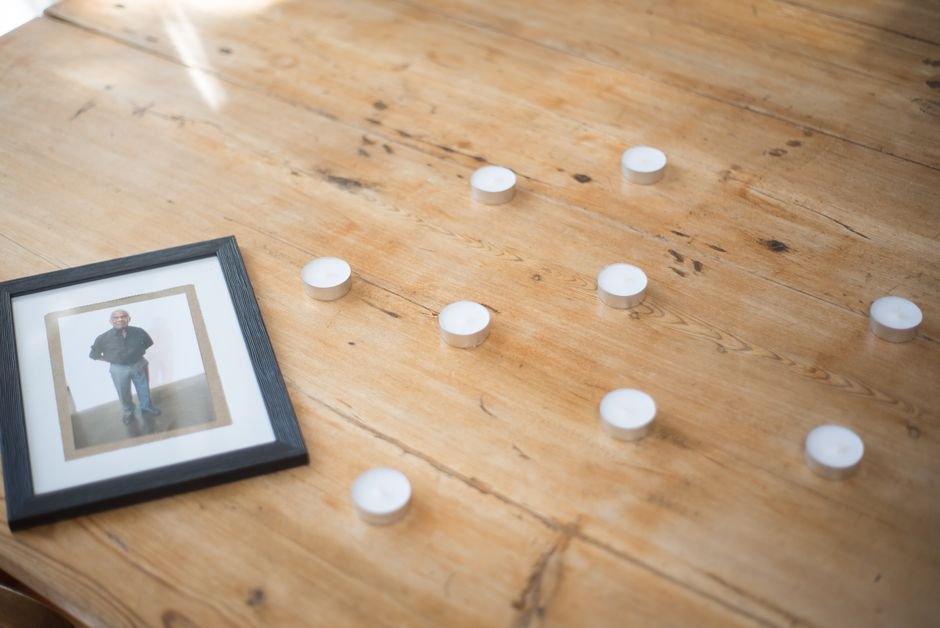
Why Creating a Memorial Helps You Heal
When a pet dies, many people are surprised by the intensity of their grief. We are told, sometimes gently and sometimes not, to “just get another one” or to remember that “it was only a dog.” But for the people who lived with that animal, the bond was family. A memorial acknowledges that truth. It says: this life mattered, this love was real, and this absence deserves to be honored.
Psychologists who study bereavement note that ritual helps the mind process loss. A funeral, a planted tree, a framed portrait, or a small altar on a shelf gives grief a physical place to land. Instead of the loss feeling like a vague ache that follows you everywhere, it becomes something you can visit on your own terms. That is why learning how to memorialize a pet is less about the object you create and more about the steady comfort of returning to it.
A good memorial also protects memory from fading. In the first raw weeks after a loss, your pet’s face is unforgettable. But years later, details blur — the exact shape of an ear, the way they tilted their head, the particular look they gave you at dinner. A keepsake made from a photograph locks those details in place, so the memory stays as vivid as the day you made it.
10 Meaningful Ways to Memorialize a Pet
There is no single right way to say goodbye. The list below moves from tangible, made-to-order keepsakes to quiet daily rituals. Most pet parents choose two or three that feel true to their relationship.
1. Commission a Hand-Painted Custom Pet Figurine
A custom pet figurine is a small sculpture modeled from your pet’s photo — capturing the tilt of the head, the color of the coat, and the expression that made them unmistakably themselves. Unlike a flat photo, a figurine has presence on a shelf or bedside table. You can pick it up, turn it in the light, and see your companion from every angle.
Figurines work especially well as memorials because they are built to last for decades. A painted resin or ceramic piece does not fade, tear, or yellow the way paper does. Many pet parents tell us the figurine becomes the one object they would grab in an emergency, because it holds the whole personality of the animal they lost.
2. Create a Personalized Pet Portrait
A hand-painted pet portrait turns a favorite photo into fine art for your wall. Portraits suit pets whose charm lived in their eyes — the look they gave you across a room, the calm gaze from a favourite window seat. A well-made portrait reads as both tribute and decoration, so it earns its place in a living room rather than being tucked away.
When commissioning a portrait, choose the photo where your pet looks most like themselves, not necessarily the most “professional” shot. A slightly candid image — mid-yawn, mid-play — often captures personality better than a stiff posed one.
3. Plant a Living Memorial Garden
For pets who loved the outdoors, a tree, shrub, or flower bed planted in their name is a memorial that grows. Each spring the blooms return, and with them the memory. A living memorial also gives the family a reason to step outside, tend something, and feel connected.
Choose a plant suited to your climate and the spot’s light. A bench or a small engraved stone beside the planting gives visitors a place to sit. If you plant something your pet liked — catnip for a cat, a sturdy ornamental grass a dog loved to nap against — the garden carries a little of their personality too.
4. Build a Photo Book or Slideshow
A printed photo book is a quiet, screen-free way to revisit a life. Unlike a phone gallery that gets lost in thousands of other pictures, a dedicated book tells one story from beginning to end: the day you met, the silly phases, the grey muzzle of old age. Many services let you design a book in an afternoon and have it printed within days.
If printing feels like too much at first, start with a digital slideshow set to a song that reminds you of them. Play it on a quiet evening. You can always turn the best frames into a book later, when the idea of looking feels gentler.
5. Keep a Memory Box of Their Belongings
A memory box gathers the small physical traces a pet leaves behind: a collar, a favorite toy, the bandana from a birthday, a paw print on paper, a lock of fur from a grooming. These objects hold scent and texture that photos cannot. Stored together in one box, they become a private archive you can open when you want to feel close.
Label items lightly as you add them, because in a few years the “blue squeaky thing” may need a name. A memory box is also a gentle way to involve children, who often want a concrete object to hold onto after a loss.
6. Wear Memorial Jewelry or an Ashes Pendant
For those who want their pet with them everywhere, memorial jewelry offers a discreet, portable tribute. Options range from a simple pendant engraved with a name and date to a small urn pendant that holds a portion of ashes or a lock of fur. Worn under a shirt or on a chain, it turns grief into something private and close rather than something you have to explain.
This choice is deeply personal. Some find comfort in carrying ashes; others prefer a simple engraved charm with a paw print. Neither is “more” loving — only what helps you.
7. Hang a Personalized Ornament Each Holiday
Holidays are often the hardest moments after a loss, because traditions suddenly have a gap. A personalized memorial ornament — a bauble with your pet’s name, a printed photo, or a clay paw impression — lets you include them in the season. Each year you hang it, and the act becomes its own small ritual of inclusion.
Ornaments also help families with children process absence within a celebration. A kid who hangs “Bella’s ornament” every December keeps the memory woven into joy rather than separated from it.
8. Donate to an Animal Charity in Their Name
Some pets are saved from hardship, and many families find meaning in paying that forward. A donation to a shelter, rescue, or veterinary fund in your pet’s name turns grief into help for another animal. Many organizations send a card or certificate you can keep in a memory box.
This form of memorial suits pets with a “rescue” story especially well, but any animal can inspire it. Even a small monthly gift, made “in honor of Max,” becomes a living legacy that outlasts the sadness.
9. Get a Memorial Tattoo
A tattoo is the most permanent tribute of all — a paw print, a silhouette, a portrait, or simply a name and date rendered in ink. For people who want their pet literally close to their skin, it is unmatched. The permanence is the point: this love is part of who you are now.
Tattoos are a bigger commitment than other items on this list, so they often come later in the grieving process, once the decision feels settled rather than impulsive. A skilled artist can work from a photo to capture likeness; bring the same image you would use for a portrait or figurine.
10. Share Their Story Online or in a Journal
Not every memorial is an object. Writing your pet’s story — the adoption day, the habits that drove you crazy, the moments you laughed until you cried — preserves their personality in words. A private journal helps you grieve; a public post in a pet-loss group helps others feel less alone.
Storytelling also fights the strangest part of grief: the fear that others will forget. Putting the story somewhere durable, even a notes app backed up to the cloud, ensures that who they were is recorded for the people who will ask about them in years to come.
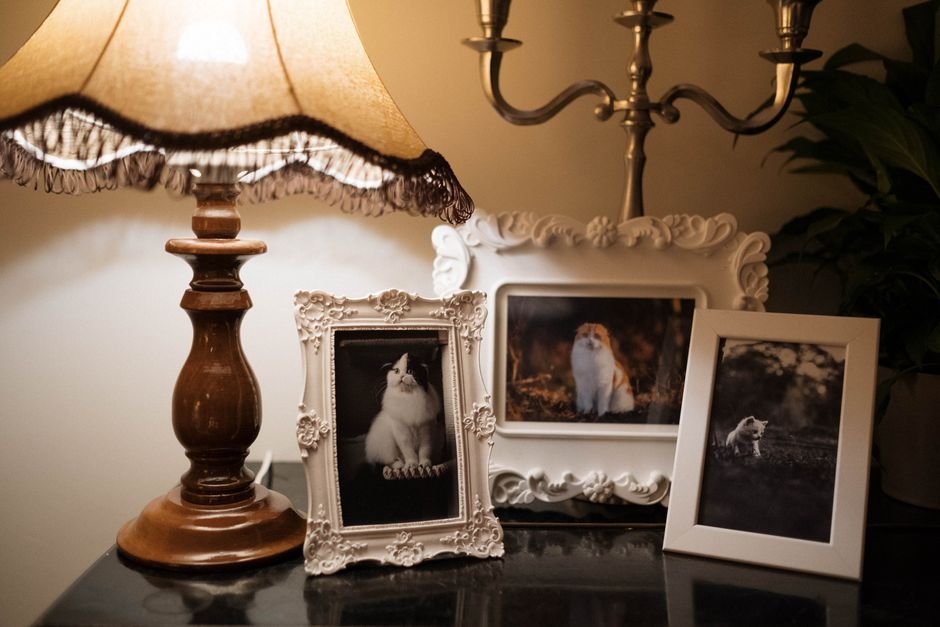
How to Choose the Right Tribute for Your Pet
With ten options above, the hardest part can be choosing. A few prompts help. First, think about where you want the memory to live: on a shelf (figurine), on a wall (portrait), in the garden (planting), or with you (jewelry, tattoo). Second, think about who else should be able to share it — a portrait invites guests to remember aloud, while a memory box is private. Third, consider timing: a made-to-order keepsake takes a few weeks, so if you need something for a service this week, start with a candle, a photo frame, or a memory box, and order the figurine afterward.
Budget matters too, and there is no shame in that. A heartfelt letter in a journal costs nothing and may end up meaning the most. The goal is remembrance, not expense.
Involving Children and Family in the Process
When a pet dies, children grieve in ways adults often miss — through play, through drawing, through repeated questions. Including them in a memorial gives those feelings a healthy outlet. Let a child paint a rock for the garden, choose a toy for the memory box, or dictate a sentence for a plaque. Avoid rushing them through sadness; instead, normalize it by creating something together.
Families who make a memorial jointly often find the object becomes a shared point of reference for years: “Remember when we planted the rose for Charlie?” The tribute outlives the acute grief and turns into a gentle family story.
Turning a Photo into a Keepsake That Lasts
Of all the ideas here, the ones built from a photograph have a quiet advantage: they preserve detail that memory alone cannot. A custom pet gift made from your pet’s photo — a figurine, a portrait, an ornament — freezes the exact look you fear forgetting. That is why so many families ultimately choose a photo-based piece as the centerpiece of their memorial, and add ritual objects like candles or plants around it.
If you are deciding where to begin, start with the single photo that makes you smile most, then choose the format that fits your home. A custom pet keepsake ordered from that image becomes the anchor; everything else you add later only deepens it.
Coping with Grief While You Create
Making a memorial can surface fresh waves of sadness, especially when you sort photos or describe your pet to an artist. That is normal and even useful — tears are part of the love. Pace yourself. You do not have to finish the project in a weekend. If a particular step feels too sharp, set it down and return when you are steadier.
Many people also find that the act of creating shifts grief toward gratitude. Choosing a figurine, writing a story, or planting a tree is active love, not passive loss. By the time the keepsake arrives, the sharpest edge of sorrow has often softened into something you can carry.
Frequently Asked Questions
How much does a custom pet memorial gift cost?
Prices vary by format. A portrait or ornament is generally modest; a hand-modeled figurine costs more because it is individually crafted. Most families find the range accessible, and the piece is a one-time purchase meant to last for decades — which makes the cost-per-year remarkably low.
How long does it take to make a figurine or portrait?
Custom pieces are handmade to order. Production commonly runs a few weeks, plus shipping. If you need something for a service sooner, begin with a frame, candle, or memory box and order the keepsake alongside it.
What photo should I use?
Choose a clear, well-lit image where your pet’s face is visible and their expression is natural. Front-facing shots work best for figurines and portraits. Multiple angles help an artist, but one good photo is usually enough.
Can I give a memorial gift to someone else who lost a pet?
Yes, and it is one of the most thoughtful condolences possible. A figurine or portrait made from the recipient’s own photo of their pet shows you truly saw their loss. Just be sure to use an image they are happy to share.
Do you ship internationally?
Yes. Keepsakes are shipped worldwide, with tracking, so families in any country can memorialize a beloved companion.
Can I memorialize a pet I lost years ago?
Absolutely. Grief has no deadline, and many people create a tribute months or even years later, once they feel steady enough to look at photos without crumbling. A keepsake made long after the loss can be especially healing, because it confirms the love was permanent, not temporary.
Common Mistakes to Avoid When Creating a Pet Memorial
Families making a memorial for the first time sometimes fall into a few avoidable traps. Knowing them ahead of time saves regret later.
Waiting for grief to fully pass. Many people postpone any tribute until they “feel ready,” then discover that making the keepsake is what helped them feel ready. You do not need to be finished grieving to begin; the project can be part of the healing.
Choosing the cheapest option out of guilt. Budget is real, but the cheapest object is often the one that yellows, breaks, or gets forgotten in a drawer. A single well-made piece you truly love beats five impulse buys. If funds are tight, a written story or a planted seed costs nothing and lasts.
Using a blurry or unclear photo for a portrait or figurine. Artists can only work with what they see. A sharp, well-lit picture of your pet’s face produces a result that actually looks like them. Dig through your library for the best shot rather than grabbing the first one.
Letting one person carry the whole task. Grief is easier shared. Inviting a partner, child, or friend to help choose or create distributes the emotional load and makes the finished piece feel like a family tribute rather than a solo project.
Skipping the details that made them them. The crooked ear, the favorite bandana, the trick they did — these specifics are what trigger recognition and love. Mention them to an artist or write them into a story; generic tributes fade, specific ones endure.
A Small Ritual Keeps the Memory Alive
A memorial object is strongest when paired with a tiny habit. Light the candle every Sunday. Tell one story about them at each family dinner in the weeks after they pass. Add a new photo to the memory box on their birthday. Ritual turns a static object into a living relationship, so the pet stays present rather than frozen in the past. You do not need grand gestures — consistency is what matters, and five quiet minutes can carry a love for decades.
Final Thoughts
Learning how to memorialize a pet is really an act of love disguised as a project. Whether you plant a tree, frame a photo, wear a pendant, or order a handcrafted memorial keepsake from your pet’s picture, you are answering loss with intention. You are telling the world — and telling yourself — that this small life changed yours, and deserves to be remembered.
If you are ready to begin, start with the photo that makes you smile, and explore the custom pet gifts made to order from a single picture. And whenever the sadness returns, you can read our guide on coping with pet loss — because honoring a pet and healing from their loss are two sides of the same love.
If the idea still feels heavy, give yourself permission to start small. Open your photo library tonight and pick the single image that makes you smile — that one act is the beginning of the whole memorial, and you can decide the format tomorrow. Many families tell us that the moment they finally ordered the keepsake, a weight lifted that they did not know they were carrying. Your pet gave you years of unconditional presence; a memorial is simply your way of returning a fraction of that love in a form that lasts. Our team is happy to help you choose the tribute that fits your pet’s personality and your home.
Resources If the Grief Feels Too Heavy
Some losses land harder than others, and there is no weakness in needing support. Many veterinary schools offer free pet-loss helplines staffed by counselors, and online communities of bereaved pet parents provide a place to be understood without explanation. If sleep, appetite, or daily function are badly disrupted for more than a few weeks, consider speaking with a therapist — particularly one familiar with attachment loss. Reaching out is not a betrayal of your pet; it is how you carry their love forward into a life you are still allowed to enjoy.