Coping with pet loss is one of the quietest griefs a person can carry, and often one of the most misunderstood. When a dog or cat dies, the people around you may mean well and still say something unhelpful — “you can always get another one,” or “it was just a pet.” But for those who lived with that animal, the loss is real, daily, and deserving of the same gentleness you would offer anyone in mourning. This guide is not about “moving on.” It is about moving through, at a pace that respects how much your companion meant.
Below we look at why pet loss hurts the way it does, what the grieving process actually looks like, the symptoms that surprise people, and the small, concrete things that help in the raw first days and the long months after. If you have also begun thinking about a tribute, we link to our guide on how to memorialize a pet at the end.

Why Pet Loss Grief Is So Deep
The bond with a pet is unusual in modern life because it is unconditional and constant. Your dog or cat was there for the mundane mornings and the worst days of your life. They asked for nothing but your presence. When that presence vanishes, the loss lands in the body, not just the mind.
Another reason pet loss cuts deep is what grief counselors call “disenfranchised grief” — sorrow that society does not always acknowledge. Because the loss is “only” an animal, mourners often hide their feelings, which makes healing slower. Naming the grief as legitimate is the first step. Your feelings are not excessive. They are proportionate to a real relationship.
The Stages Are Not a Schedule
You may have heard of the five stages — denial, anger, bargaining, depression, acceptance. They are useful as a vocabulary, but they are not a sequence you tick off. People loop, skip, and return. You might feel acceptance on Tuesday and blindside grief on Friday. That is normal, not a failure of progress.
A more helpful frame is to think of grief as waves. In the beginning the waves are tall and constant, knocking you over without warning. Over time they grow smaller and further apart. But even years later, a wave can still rise — on a birthday, an empty chair, a song. The goal is not to stop the waves but to learn to float.
Physical and Emotional Symptoms You Might Notice
Grief is not only emotional. Many people are surprised by how physical it is: disrupted sleep, changes in appetite, fatigue, tightness in the chest, forgetfulness, or a sense that time has slowed. Some feel relief mixed with guilt, especially after a difficult illness or a planned euthanasia. Relief is a normal response to the end of suffering — it does not diminish your love.
Emotionally, you might feel anger, numbness, anxiety, or a restless urge to “do something.” All of these are common. What matters is not feeling a “correct” emotion but allowing whatever arises without judgment.
Grieving a Dog vs Grieving a Cat
The shape of the loss can differ by species, mostly because of how the relationship was lived. Dogs often join routines outside the home — walks, parks, greetings at the door — so their absence is felt in movement and space. Cats tend to occupy the stillness of a home, so their loss is felt in quiet rooms and empty windowsills. Neither is harder; they simply leave different silences.
Some people feel more openly sad about a dog and more privately sad about a cat, or vice versa. There is no right way. Honor the particular relationship you had, not a template.
What Helps in the First Days
The first days are often a blur of shock. A few things reliably help. First, give yourself permission to pause normal life — take a day off, cancel plans, lower expectations. Second, decide practically what to do with your pet’s belongings; some prefer to leave them in place for a while, others find relief in gently packing them away. There is no deadline. Third, tell someone. Grief shared is more bearable than grief hidden.
If the loss followed a long illness, you may also feel a strange emptiness where constant care used to be. Filling even a small part of that time — a walk, a phone call — can steady you.
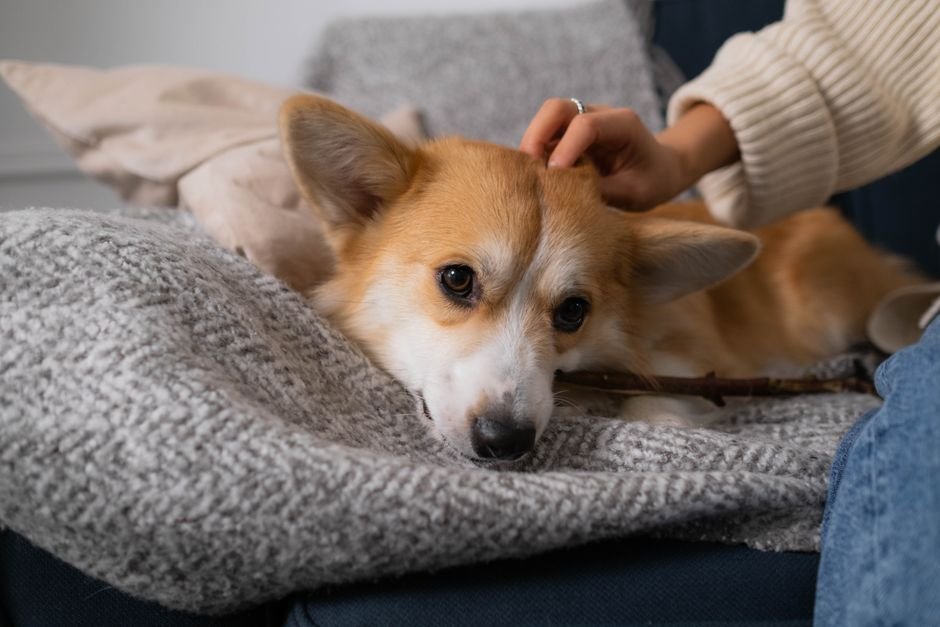
Creating Space for the Grief
Ritual gives grief a container. That might be lighting a candle, saying a few words aloud, planting something, or simply sitting with a photo for ten minutes. You do not need a formal ceremony. What helps is regularity — a small, repeatable act that says this life mattered.
Many people also find that making a tangible tribute, such as a memorial keepsake made from a photo, turns passive sadness into active love. Creating something in their honor can be the moment grief begins to soften.
When Grief Becomes Complicated
Most pet loss grief eases over weeks and months. But sometimes it lingers as what clinicians call complicated grief — intense yearning, inability to function, or deep guilt that will not shift. If months pass and the loss still dominates daily life, or if you feel numb and disconnected for a long time, consider professional support. Reaching out is a sign of care for yourself, not weakness.
Guilt deserves special mention. Many pet parents rehearse decisions — “should I have taken her to the vet sooner?” — long after the fact. If you made the kindest call you could with the information you had, that is enough. A counselor can help loosen guilt’s grip.
Helping Children Grieve a Pet
Children often understand death concretely and feel it keenly. Answer questions honestly and simply; euphemisms like “went to sleep” can frighten more than clarify. Include them in small rituals — drawing a picture, choosing a flower for a grave or pot. Let them see that adults grieve too; your openness teaches them that sorrow is a normal part of love.
Avoid rushing a replacement pet. A new animal is not a fix for loss and can feel like a betrayal to a child who is still mourning. When the family is ready, a new companion is a different relationship, not a substitute.
Supporting a Partner or Friend
If someone you love has lost a pet, the best gift is quiet presence. Skip the advice and the timelines. Say “I’m so sorry — tell me about them” and then listen. Offer specific help (“can I walk your other dog?” “I made dinner”) rather than vague offers. And resist comparing their loss to yours; every bond is its own.
For a partner grieving the same pet, remember you may grieve differently and on different schedules. That is not a conflict. Name it kindly and give each other room.
When a Memorial Can Help
There is no right moment to think about a tribute, but many people find that creating one — a figurine, a portrait, a framed photo — shifts grief toward gratitude. A custom keepsake made from your pet’s picture preserves the details you fear forgetting and gives the love a lasting home. You can begin whenever it feels right, even years later.
Frequently Asked Questions
How long does pet loss grief last?
There is no fixed timeline. Acute sorrow usually softens over weeks to months, but waves can return for years, especially around anniversaries. Healing is not forgetting; it is carrying the love more gently.
Is it normal to feel relief after euthanasia?
Yes. When a pet’s suffering ends, relief is a healthy response. It sits alongside love and does not cancel it. Guilt about feeling relief is common but rarely deserved.
Should I get a new pet right away?
Only if it feels like a new beginning rather than a replacement. Many people need time before welcoming another animal. A new pet is a different relationship and cannot erase the loss — nor should it.
Why do I feel worse at night?
Evening removes distraction and returns you to quiet, where the absence is loudest. A simple wind-down ritual — a cup of tea, a few minutes with a photo — can ease the edge.
Can a keepsake actually help me feel better?
For many, yes. Making or receiving a tribute channels love into something tangible. Explore custom pet gifts made from a single photo when you feel ready.
Is it wrong to laugh or feel happy so soon?
Not at all. Joy returns in uneven spurts, and a sudden laugh does not erase your love or dishonor your pet. Grief and happiness are not opposites; they coexist. Allowing moments of lightness is part of healing, not a betrayal. The people who knew your bond would want you to feel relief, not perpetual sorrow.
How do I help a friend whose pet died?
Say “I’m sorry” and mean it, then listen more than you speak. Skip clichés and timelines. Offer concrete help — a meal, a walk, company on a hard evening. Mention their pet by name; using the name shows the animal mattered. A small sympathy card or a memorial gift later can mean more than words in the moment.
Why does it hurt more at night?
Evening removes the day’s distraction and returns you to quiet, where absence is loudest. A simple wind-down ritual — tea, a few minutes with a photo, a short meditation — can soften the edge. If nights stay consistently unbearable for weeks, that is a signal to reach out for support, not a personal failing.
Will the pain ever fully go away?
The sharp pain softens, but the love remains, and with it a tender ache that can surface for years. Most people come to treasure that ache as evidence of a bond worth missing. “Better” does not mean “gone”; it means the loss becomes part of your story rather than the whole of it, and that is a kinder place to land than it first appears.
Should I keep or remove my pet’s things?
Do whichever brings comfort. Some leave the bed, bowl, or leash in place for months; others pack them gently away. There is no right timing, and you can change your mind as you heal. A middle path — keeping one meaningful object visible and storing the rest — works for many households adjusting to the quiet.
Can writing about my pet help?
Yes. Putting the story in words — a journal entry, a social post, a letter to them — externalizes grief and preserves memory. Many people find that naming specific quirks on paper makes the pet feel present rather than fading, and the act itself becomes a small, private tribute.
How do I know when I am “better”?
There is no finish line. “Better” looks like being able to remember without being knocked over, feeling the pet’s absence as a gentle ache rather than a rupture, and gradually re-engaging with life. If you can function, connect, and occasionally feel joy, you are healing — even if sadness still visits. Progress is measured in small returns, not in forgetting, and every small return counts.
Honoring the Bond Without Comparing Losses
Because pet loss is sometimes minimized by others, mourners can internalize the message that their grief should be small. Push back on that gently, in your own mind. The depth of a bond is not measured by species or by whether the relationship was “official.” If this animal was family to you, the loss is family-level, and you are allowed to mourn accordingly. Resist ranking griefs — against other people’s pets, against human losses, against strangers on the internet. Pain is not a competition, and honoring your own is not disrespect to anyone else’s.
This also means you can honor the bond in ways that feel right without apologizing. Crying at a movie, keeping a collar on a hook, talking to the empty room — these are not silly. They are how love persists after death. The people who matter will make room for it, and the ones who do not were never the measure of your love.
Grief in the Body and How to Care for It
Grief lives in the body, so caring for the body helps the mind. Prioritize sleep even when it is elusive — a warm shower, a screens-off hour before bed, and a consistent wake time steady the nervous system. Eat at roughly regular times, even small meals; grief suppresses appetite, and low blood sugar worsens mood. Move a little each day: a short walk is both distraction and medicine, and it metabolizes stress hormones that otherwise pool as tension.
Notice where you hold grief physically — the throat, the chest, the shoulders — and meet it with breath or gentle stretching rather than bracing. Some people find that placing a hand where the tension lives, and naming the feeling (“this is sorrow, and it is allowed”), loosens its grip. Body and feeling are one loop; soothing one soothes the other, and small acts of care accumulate into steadier days.
When Friends and Family Do Not Understand
It stings when someone shrugs off your loss. Often they are not cruel, only inexperienced — they have not yet loved an animal that deeply, so they misread your grief as disproportionate. You cannot make them feel what you feel, and you do not have to defend it. Seek out the people who do understand: friends with pets, online communities of bereaved owners, or a counselor. Being witnessed, even by strangers who “get it,” relieves the loneliness far more than explaining yourself to someone determined not to.
If a close person keeps minimizing it, you can set a kind boundary: “I know you mean well, but this really hurts, and I need you to just sit with me, not fix it.” That single sentence often resets the dynamic better than weeks of quiet resentment, and it teaches the people around you how to love you through the loss.
The Role of Routine and Gentle Exercise
In the early weeks, routine is a lifeline. The loss disrupts the rhythm of care — no more feeding, walking, or greeting — so rebuilding small daily structures helps you feel grounded. Keep wake times, meals, and a walk, even a short one. Exercise in particular buffers mood: it does not erase sorrow, but it prevents sorrow from curdling into stagnation. If the idea of a long workout feels impossible, a ten-minute stroll counts. The point is not fitness; it is proof to yourself that the day is still moving, and that you are still here to meet it.
Remembering on Special Dates
Anniversaries — the day you met, the day they died, their birthday — often hit harder than ordinary days, and that is expected. Plan something gentle: visit a favorite spot, light a candle, cook their favorite “treat” for the family, or simply tell their story out loud. Marking the date turns it from an ambush into an intention. Some families make a small yearly ritual, like donating to an animal charity in their name every July. Ritual does not magnify grief so much as give it a shape you can hold, so the date becomes a visit rather than a wound.
A Note on Euthanasia and “Doing the Right Thing”
Many losses involve the hard decision to euthanize, and that decision can haunt. If you chose it to end suffering — because your pet was in pain, or their quality of life had fallen — then you acted from love, not convenience. This was one of the most selfless things a caregiver can do, and animals do not experience it as abandonment. The guilt that follows is love in disguise, but it is not accurate, and it is not a verdict on your care.
If you are haunted by “was it too soon? too late?” remember you decided with the information and the veterinarian’s guidance you had at the time, aiming at their welfare. Few choices are made with perfect clarity in moments of grief. Extending suffering to avoid your own guilt would have been the less kind path. You gave them a gentle exit rather than a frightened, painful one — and that is a final gift, not a failing. Holding that truth does not erase the loss, but it can free you from a guilt you do not deserve.
Final Thoughts
Coping with pet loss is not a problem to solve but a love to carry. Be patient with the process and gentle with yourself. The waves will grow smaller. Until they do, let the small rituals, the honest conversations, and the memories hold you — and when the time is right, a keepsake from your pet’s photo can turn the ache into something you can keep close. You loved well, and that love was real; the grief is simply proof of it.
When you are ready, small steps help most. Pick one photo that makes you smile and let it be the start of a tribute; explore the custom pet gifts made to order from a single picture, or simply keep a framed image somewhere you will see it daily. And if the sadness returns on a hard day, return to our guide on how to memorialize a pet for gentle next steps. You do not have to do any of this now. You only have to be kind to yourself — the rest can wait until the waves grow smaller.