When the Quiet at Home Sounds Louder Than Words
There is a particular kind of silence that arrives in a home after a pet dies. The padding of paws down the hallway stops. The cheerful greeting at the door becomes a memory. The spot on the couch stays empty, and somehow the whole house feels rearranged around the absence. If your friend is living inside that silence right now, you may be searching for the right thing to say or do — and finding, to your frustration, that the usual scripts don’t fit. The card shop has rows of sympathy notes for people, but the shelf for pet loss is thin, and the language we’ve been handed for human grief doesn’t quite stretch to cover a dog or a cat. This article is for you: the person standing beside a grieving friend, wanting to help but unsure how. We’ll talk about what to say, what not to say, when and how to offer a pet loss gift, and why a thoughtful, personalized tribute can speak when words fall short.
At PODPAWS, we make personalized pet gifts for life’s most meaningful moments — the celebrations and, just as often, the goodbyes. Our tagline is “Premium Personalized Pet Gifts for Every Special Moment,” and we mean every moment, including the hard ones. We have spoken with hundreds of pet parents and the friends who love them, and a clear picture has emerged of what actually helps during pet loss, and what accidentally causes more pain. What follows is a gentle guide, not a rulebook. Grief is personal; your care is what matters most. There is no single correct sentence and no gift that erases the ache — only the steady signal that your friend is not grieving alone, and that the animal they loved was loved widely, not just by them.
Why Pet Loss Grieves Differently
Before we get to scripts and gift etiquette, it helps to understand why losing a pet can feel so disorienting. For many of us, a pet is not “just an animal.” They are the constant companion through breakups, job losses, and long lonely nights. When that daily presence disappears, the loss is not minor. It is the removal of a living presence that knew us intimately.
And yet, our culture still occasionally treats pet loss as minor — something to “get over” in a weekend. Your friend may feel they have to minimize their own grief to make others comfortable. They may even feel a flicker of shame for crying over a cat while the world insists they should be fine by Monday. That is precisely why your support matters so much. When you take their loss seriously, you give them permission to grieve fully. You tell them, without saying a word, “Your love was real, and so is your loss.” The absence of social permission is exactly what makes a friend’s validation so powerful.
This is also why a generic sympathy card, while kind, sometimes lands a little hollow. It isn’t that the gesture is wrong — it’s that grief this personal asks for something personal in return. A card that could have been sent to anyone for any loss can feel like it skims the surface of a feeling that runs very deep. That is where pet memorial gifts made specifically for the animal who lived can carry a weight that words alone cannot. When the tribute is built around a real face and a real name, the gesture says the loss was specific, and so was the love.
Why Pet Loss Gets Dismissed
It’s worth naming the quiet force working against your friend, because naming it helps you push back on it. Pet loss is one of the few griefs that society still permits people to dismiss — sometimes kindly, sometimes cruelly. A coworker might say “at least it was quick” as if speed erases sorrow. A relative might change the subject. Your friend may find themselves grieving a depth the world insists is shallow, and that gap can be its own kind of loneliness.
Part of the reason is that pets occupy a strange category: they are family, and they are property. That contradiction leaves people without a script for how to mourn a creature we both adore and own. So well-meaning people fall back on minimizing, because they don’t know what else to do with a grief that doesn’t fit the familiar shape. Your job is simply to be the steady place where the loss is treated as real. Stay kind, stay present, and keep saying the pet’s name.
What to Say to a Friend Who Lost a Pet
You don’t need to be a grief counselor. You need to be present, gentle, and unhurried. Most grieving pet parents are simply waiting to be met. Here are a few things that tend to land with warmth:
- “I’m so sorry. I know how much [name] meant to you.” Naming the pet matters. It says the animal was an individual, not a category.
- “Tell me about them.” Most grieving pet parents want to talk. Asking invites the story rather than shutting it down.
- “I loved seeing the photos you’d post of them.” A specific, remembered detail shows you saw the bond too.
- “There’s no timeline for this. I’m here whenever you want to talk.” Permission to grieve at their own pace is a gift in itself.
- “It’s okay to be wrecked. You two were family.” Validation, plain and simple.
Notice the thread running through all of these: they center the pet, they center the friendship, and they make no attempt to fix the feelings. You cannot fix grief. You can hold space for it — listening without interrupting, tolerating silences instead of filling them. The most comforting thing you can communicate is not that the pain will end, but that you are not afraid of it.
Words That Help — A Quick Reference
- “I’m here.” (and meaning it)
- “What was [name] like?”
- “That sounds like a really hard day. I’m glad you told me.”
- “However you’re feeling is allowed here.”
- “I remember when…” — a small, true memory of the pet.
- “I can’t imagine exactly, but I’m sitting with you in it.”
What Not to Say (Even When You Mean Well)
Some phrases come from a good place but land like a closing door. The instinct is usually to comfort by minimizing — to make the loss feel smaller so the pain feels smaller. But grief doesn’t work that way. Here are the ones to gently avoid:
- “At least you didn’t have kids / at least it wasn’t a person.” Comparison steals the validity of their loss. Love isn’t a ranking.
- “You can always get another one.” They don’t want another; they want this one. A new pet is never a replacement.
- “It was ‘just’ a dog/cat.” The word “just” is a small knife. Leave it out entirely.
- “They lived a long life, so…” True, and also not comforting. A long good life doesn’t erase the goodbye.
- “You should be over it by now.” Or any version that implies a deadline on love. There is no finish line on missing someone.
- “Everything happens for a reason.” In the thick of grief, this often reads as cold. Save the philosophy for another time.
If you catch yourself mid-sentence heading toward one of these, it’s okay to simply pause and say, “I’m so sorry — I don’t have the right words, but I hate that you’re hurting.” Honesty about your own awkwardness is more comforting than a polished platitude. Admitting you don’t know what to say is, strangely, one of the most reassuring things you can offer, because it meets the messiness of grief with honesty instead of a tidy script.
Words That Hurt — A Quick Reference
- “It was just a pet.”
- “You can get another one.”
- “Be grateful it wasn’t worse.”
- “Time to move on.”
- “I know exactly how you feel.” (unless you truly do — and even then, lead with listening)
The simplest filter: if a sentence ends by making the loss smaller, reconsider it. The goal isn’t to make the grief disappear. The goal is to make your friend feel less alone in it. Sometimes the most loving sentence is the shortest one — “I’m so sorry” — said slowly, and meant.
“The most healing thing a friend said to me was nothing fancy. She just said, ‘I know he was your whole heart.’ And then she sat with me while I cried. That was enough.” — a PODPAWS customer, remembering the weeks after her dog passed
The Etiquette and Timing of a Pet Loss Gift
Now to the question many well-meaning friends quietly wrestle with: should I give a gift, and when? It’s a tender question, because no one wants to seem like they’re checking a box, and no one wants to intrude on a private sorrow. The uncertainty itself is a sign of care.
The short answer is yes, a gift can be deeply meaningful — but timing and tone matter more than price. A pet loss gift is not a birthday present. It isn’t meant to cheer someone up in the usual sense. It is a quiet acknowledgment: I see your loss, and I honor what you loved. The right gift simply sits in the room as a reminder that the animal mattered, and that someone else noticed.
Immediately (the first days to two weeks): A card, a text checking in, a meal dropped at the door, an offer to help with practical things (vet bills, returning food, cleaning the bowls they can’t yet face). Grief in the early days is exhausting and foggy. Don’t overthink — just show up. A simple sympathy card with a handwritten note naming the pet is appropriate now and always appreciated. If you live nearby, practical help is a language of its own: walking the other pets, fielding messages, taking over the small tasks grief makes impossible.
The memorial gift window (two weeks to a few months): This is often when a pet memorial tribute lands most beautifully. Early on, the loss is too raw for some people to receive a physical memorial; a keepsake can feel like a premature closure they aren’t ready for. But a few weeks in — when the casseroles have stopped arriving and the world has moved on while your friend hasn’t — a thoughtful, personalized keepsake says, “I haven’t forgotten. They still matter to me too.” The gift arrives precisely when the noise of support has faded and the quiet has returned. It lands not as an intrusion but as a companion.
A note on asking first: Some memorial gifts work best when you know a few details — the pet’s name, coloring, or a favorite photo. If you’re close enough to ask, a gentle message like “I’d love to make something in [name]’s memory — do you have a photo you’d be willing to share?” is both respectful and warm. If you’re not that close, a gift card toward a memorial, or a ready-made tribute, is perfectly kind.
What to write in the card: Keep it simple and specific. “In memory of [name], who clearly gave you so much love. Thinking of you always.” You don’t need poetry. You need sincerity. If you can, add one true detail — a quirk you remember, a photo you liked, a moment you shared — and the card becomes a small monument in its own right.
Why a Personalized Memorial Says More Than Words
There is a reason a generic “sorry for your loss” text and a handmade tribute feel different in the chest. One is sympathy. The other is attention — the attention of someone who noticed the specific animal, the specific bond, the specific little face. When a gift is made for the pet who actually lived, it communicates something no card can: I saw them too. They mattered. A mass-produced item says “I care.” A personalized one says “I cared about this one.” That difference is everything to a person mourning a singular creature.
This is the heart of what we do at PODPAWS. Our pieces aren’t mass-produced sympathy items. They are custom pet memorial gifts built around the real creature your friend loved. Let’s walk through three options, and how each fits a different friend and a different stage of grief.
The Wool Felt Pet Memorial Figurine in Frame
Our custom pet portraits realized in wool begin here: a handmade needle-felted 3D replica of your friend’s cat or dog, lovingly sculpted and mounted in a frame. Each one is made by hand from a photo you provide, capturing the tilt of the ears, the color of the fur, the particular expression that made the animal theirs. It is, in the truest sense, a portrait — just rendered in wool rather than paint.
For a grieving friend, this piece does something special. It takes an absence and gives it a gentle, tangible presence. It becomes a quiet companion in the house, especially in those later weeks when support has quieted and the silence has returned.
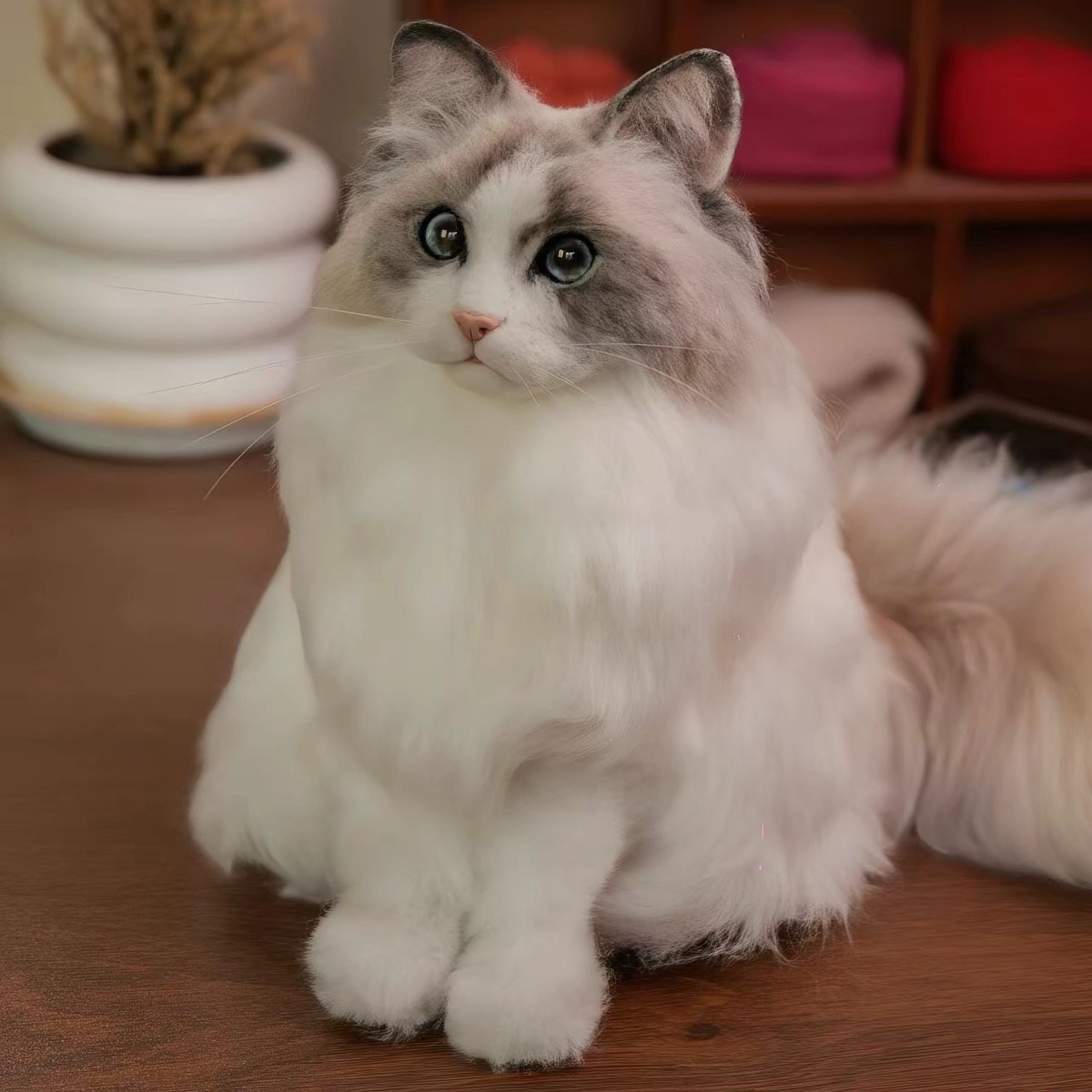
If your friend is someone who loved showing off photos of their pet, who lit up describing their quirks, a framed wool figurine is often the most fitting tribute. It celebrates the personality, not just the loss. And because it’s a custom pet portrait made from their actual animal, it never reads as generic. It reads as a friend saying, clearly, “I watched you love this creature, and I loved watching it.”
The Pet & Owner Matching Necklace (Double Wear Style)
Some friendships with animals are defined by togetherness — the adventure dog, the cat who rode on shoulders, the tiny companion who went everywhere in a tote bag. For that friend, our Pet & Owner Matching Necklace (Double Wear Style) may be the most resonant choice. It’s a matching set: one piece for the human, one for the pet, worn together as a symbol of the bond that nothing — not even loss — can break.
There’s a beautiful use of this piece as a living tribute. If the pet is still with us, gifting the matching set affirms the relationship in the present. If the pet has passed and your friend kept their collar or a small keepsake, the human-side necklace becomes a way to carry them daily — close to the heart, literally. It transforms grief into a wearable, private emblem of love.
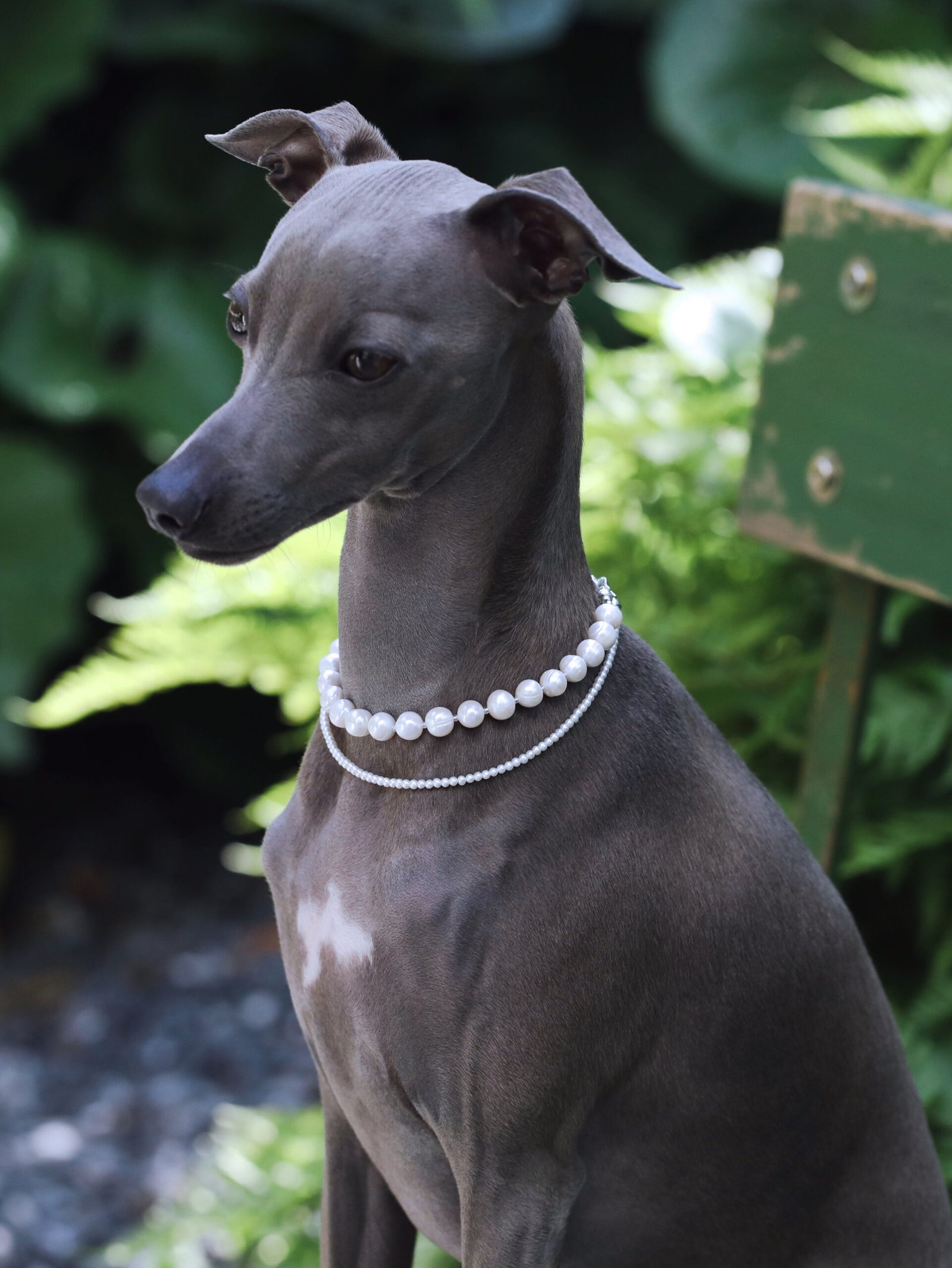
When you give this as a pet loss gift, you’re not only mourning — you’re honoring the connection. You’re saying the relationship was real and worth marking. A necklace worn against the skin keeps the bond alive in a way a shelf object cannot — it moves through the day with your friend, a quiet proof that love outlasts presence.
The Custom Cat & Dog Ceramic Pet Urn
The ceramic urn is a more specific kind of tribute, and it deserves a careful word about appropriateness. Our Custom Cat & Dog Ceramic Pet Urn is an airtight, moisture-proof ceramic keepsake designed to hold a pet’s ashes with dignity. It is beautiful, handmade, and built to protect — a home for remains that deserves the same care we’d give a human memorial.
This gift is right when your friend has chosen to keep their pet’s ashes, and when you are close enough to know that fact. It is not a guess-work gift; it’s one you offer with a conversation, or one you give to a very close friend who has shared their plans with you. When it fits, it fits profoundly. A personalized urn tells a friend their companion’s final resting place is worthy of beauty and intention — not a cardboard box in a closet, but a crafted object treated with reverence.
If you’re unsure whether an urn is appropriate, that’s a sign to lean toward the wool figurine or the necklace instead. Those celebrate the life and the bond without assuming anything about aftercare decisions. The urn is the most intimate of the three, and intimacy is a privilege you earn through closeness.
Choosing the Right Memorial
If you’re standing in front of these three options unsure which to pick, let the friend’s own personality be your guide. The grief is theirs; the tribute should meet them where they are. A friend who is private and tactile may cherish the necklace they can carry unseen. A friend who loves to display and tell stories may light up at the framed figurine. A friend who has spoken openly about keeping ashes may be deeply moved by the urn. When in doubt, choose the option that asks the least of them — the one that brings comfort without requiring a decision in return.
Matching the Gift to the Friend
A quick, caring way to think about it:
- For the storyteller friend who adored sharing pet photos — the Wool Felt Pet Memorial Figurine in Frame. It’s a custom pet portrait that celebrates personality.
- For the adventure-bonded friend whose pet was a constant sidekick — the Pet & Owner Matching Necklace. It honors togetherness and can be worn close, daily.
- For the closest friend who has chosen to keep ashes and shared that with you — the Custom Ceramic Pet Urn. A dignified, personalized home for remains.
None of these requires you to say the perfect thing. That’s the quiet magic of a personalized tribute: the object itself carries the message. I knew them. I know how much they meant. I haven’t forgotten. You can hand over the gift and say nothing at all, and it will still speak the sentence your friend most needs to hear.
Supporting From Afar
Not every friend lives next door, and distance can make pet loss support feel harder than it is. The truth is that a faraway presence is still a presence. If you can’t drop a meal at the door, you can still show up in ways that cross miles. Order groceries or a warm meal delivered on a hard day; send a handwritten card (the postal kind lands differently than a text); schedule a recurring check-in so the silence doesn’t stretch too long. A video call with no agenda, just company, can be a small lifeline in the foggy early weeks.
Long distance also changes the gift math. A pet memorial shipped directly to their door spares your friend the errand of receiving it, and the arrival itself becomes a moment — a package that says someone was thinking of them and their animal. If you’re far away, lean into what distance is good at: consistency, surprise kindness, and the patience to keep showing up on screens and in mailboxes when you can’t show up in the room.
Including Children in Condolences
If your friend has children, or if your own children knew the pet, including them in the condolence can be a quiet gift to the whole household. Children grieve pets too, often without the vocabulary to name what they feel, and they watch the adults around them to learn whether sad is allowed. A simple drawing sent to the family, a child’s note that says “I miss [name] too,” or a small framed paw print can tell a grieving parent that their kid’s love was seen. It also gives the parent permission to grieve openly in front of their children — to model that missing someone is normal.
For your own children, involving them in a tribute can be its own lesson in empathy. Letting them help choose a pet memorial gift, or make a card, teaches that honoring a life is something families do together. You don’t need to explain pet loss perfectly to a child. You only need to treat their sadness as real, the same way you’d treat an adult’s. The household that grieves a pet together often comes out of it more bonded — and a friend who acknowledges the children’s loss, not just the parent’s, is a friend who saw the whole family.
The Gift You Can’t Wrap: Following Up Weeks Later
Here is the part almost everyone misses, and the part that often matters most. The casseroles stop by week two. The texts slow by week three. By week six, your friend may feel like the only person still grieving — like the world decided the loss had an expiration date that their heart never agreed to.
So mark your calendar. Six weeks out. Three months out. On the anniversary of the death, or the pet’s birthday. Send a short, uncomplicated message: “Thinking of [name] today. Still here if you ever want to talk.” That’s it. No pressure, no expectation of a reply. Just a small stone dropped into the silence that says, you’re not the only one who remembers. The anniversary of a pet’s death is a date almost no one else will hold — and holding it for your friend is a profound, quiet kindness.
These later check-ins are, honestly, where the deepest friendship is proven. Anyone can show up in the first chaotic week. The friend who remembers in month three — that’s the friend whose love your grieving companion will never forget. The arc matters more than any single gesture, because grief is not an event but a season.
If you gave a memorial gift earlier, the follow-up is also a lovely moment to ask how it’s been — not in a “did you like it?” way, but a “has it brought any comfort?” way. Sometimes that question opens the door to the first real conversation your friend has had in weeks about how they’re actually doing. Listening to those is the most unwrappable gift of all.
A Few Practical Do’s and Don’ts
- Do name the pet, every time. In cards, in texts, in conversation. The name is the thread that keeps the animal present.
- Do offer specific help (“I’m bringing dinner Thursday”) rather than vague help (“let me know if you need anything”). Grief makes it nearly impossible to name needs, so name them for your friend.
- Do remember the harder dates — the anniversary, the birthday. Put them in your phone now, while the loss is fresh.
- Don’t take a delayed or absent response personally. Grief makes replies hard. A friend who doesn’t answer is not a friend who doesn’t care.
- Don’t share unsolicited advice about when to get a new pet. That’s their decision, on their timeline, and sometimes the answer is never.
- Don’t disappear after the funeral or the first week. The longest part of grief is the quiet part, and that is exactly where your steadiness is needed.
Closing: The Gift Beneath the Gift
When you support a friend through the loss of a pet, you are doing something quietly heroic. You are refusing to let their love be diminished. You are sitting, however awkwardly, in a sadness you can’t fix — and simply staying. That presence is the real gift. Long after the figurine has found its shelf and the necklace its chain, what your friend will remember is that you were the one who didn’t look away.
The personalized pet gifts we make at PODPAWS are meant to extend that presence into something your friend can hold, display, or wear. A wool figurine that keeps a familiar face in the room. A necklace that keeps the bond against the skin. A ceramic urn that gives remains the dignity of craft and care. Each one says the thing that’s hardest to say out loud: I know how much they meant. They are not replacements for your presence — they are extensions of it, objects that carry your care into the rooms you can’t always be in.
But the wool, the metal, the ceramic — none of it replaces you. The check-in six weeks later. The pet’s name spoken aloud. The willingness to listen to the same story twice. Those are the keepsakes that outlast any object. Give the gift if you can, and give the presence always. Your friend, and the animal they loved, are worth both.
If you’d like to explore a tribute made for the specific pet your friend lost, we’d be honored to help you create something worthy of the bond — a small, lasting answer to a very big love.